

Book Bits: 3 October 2026
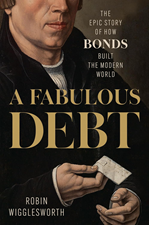
● Gouged: The End of a Fair Price–and What That Means for Your Wallet Lindsay Owens Interview with author via Marketplace Uber or Lyft users have probably experienced the concept of a personalized price firsthand: two people plug in the same destination, but get completely different prices for…
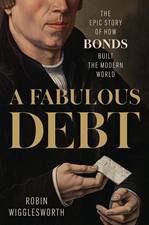 ● A Fabulous Debt: The Epic Story of How Bonds Built the Modern World
Robin Wigglesworth
Interview with author via Axios
Long-term government bond yields for the U.S. and other G7 countries have been climbing — hovering at levels last seen in 2007 before the financial crisis — and raising concerns about borrowing costs growing more expensive for countries that are already staring down heavy debt loads. The AI boom, meanwhile, has spread to the market for corporate bonds, sparking worries about a bubble. It’s a perfect moment to release a book laying out the history of the bond market: “A Fabulous Debt: The Epic Story of How Bonds Built the Modern World”. In the book, Wigglesworth reminds us that some of the biggest financial messes of the past 50 years were bond blowups.
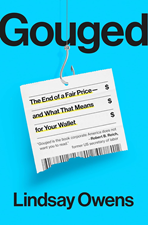 ● Gouged: The End of a Fair Price–and What That Means for Your Wallet
Lindsay Owens
Interview with author via Marketplace
Uber or Lyft users have probably experienced the concept of a personalized price firsthand: two people plug in the same destination, but get completely different prices for the exact same trip.
It’s a trend that’s on the rise as companies learn more and more about what makes consumers tick and tailor their prices accordingly. While the economic adage is “a fair price is any price you’re willing to pay,” for Lindsay Owens, the president and CEO of the think tank Groundwork Collaborative, personalized pricing isn’t necessarily that.
“I think a fair price is a posted price,” Owens said. “And a fair price is a price that is set based on the product and not you, the consumer.”
Lindsay Owens’ book, Gouged, makes the case against personalized pricing. Owens made the case against personalized pricing in her book, “Gouged: The End of a Fair Price — and What That Means for Your Wallet.” “Marketplace” host Kai Ryssdal spoke to her about her writing.
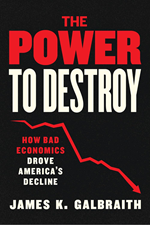 ● The Power to Destroy: How Bad Economics Drove America’s Decline
James K. Galbraith
Review via Financial Times
James K Galbraith argues that an over-reliance on outdated ideas in economics has led US policymakers to make bad decisions.
The American economist provides a detailed analysis of recent challenges — from the post-pandemic surge in inflation and sanctions against Russia, to the rise of China and efforts to spark a manufacturing renaissance — attempting to show how a blind focus on the doctrines of economics may have contributed to flawed thinking and actions.
In his assessments, Galbraith, who teaches at the University of Texas at Austin, makes several worthwhile points. He is rightly critical about how the discipline has ended up putting too much emphasis on single indicators such as GDP, inflation and fiscal balances, which fail to give a holistic view of economic health and welfare. He also shows how the logic of mainstream economics may have lulled America into a false sense of security by overlooking the importance of industrial resilience and national security in favour of a narrow focus on GDP growth and market efficiency.
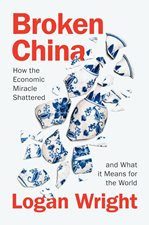 ● Broken China: How the Economic Miracle Shattered and What it Means for the World
Logan Wright
Interview with author via China Leadership Monitor
Q: The central argument of your book is that China’s economic model is “broken.” As there are many different versions of the so-called “China model,” can you explain what you mean by the “China model” and why it is now broken?
A: Indeed, the book argues that China’s financial system can no longer generate the same rates of economic growth because that financial system has already expanded much faster than the real economy for nearly a decade after the global financial crisis. A financial system can only outpace the underlying economy it finances by either “deepening” access to financial services—expanding new forms of lending to new borrowers—or by taking on new credit risks, by lending to riskier borrowers. Often these go hand in hand.
Please note that the links to books above are affiliate links with Amazon.com and James Picerno (a.k.a. The Capital Spectator) earns money if you buy one of the titles listed. Also note that you will not pay extra for a book even though it generates revenue for The Capital Spectator. Thank you!
Author: James Picerno